Your Developer Is Bankrupt or Insolvent in the DR. What Happens to Your Money?
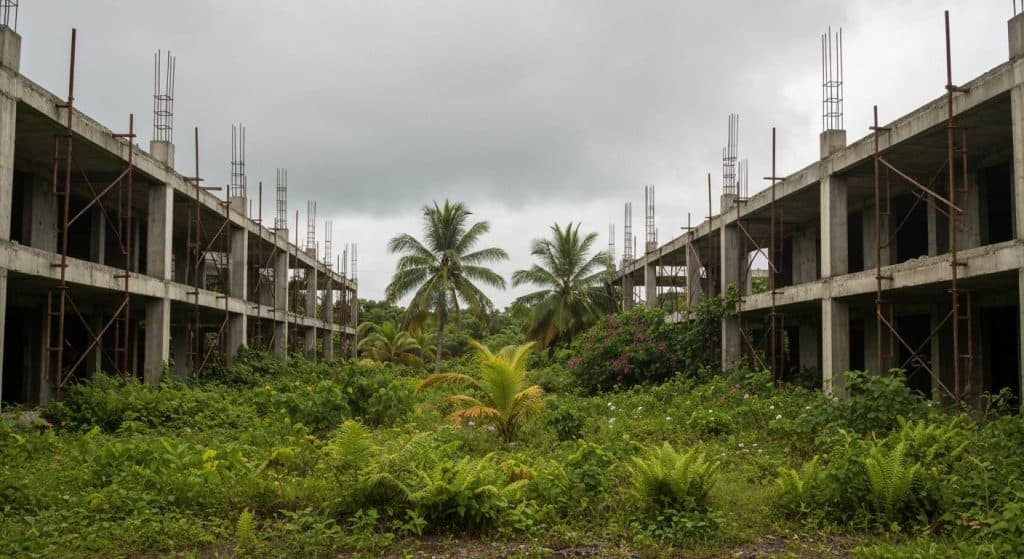
A buyer from Germany reached me after a DR developer had stopped all construction activity and its principals had become unreachable. He had paid $140,000 in installments over 22 months. The project had a fideicomiso structure. The buyer next to him in the same project had a direct promise of sale with no trust. Their outcomes were going to be very different.
In This Article
- Formal developer insolvency is rare in the Dominican Republic, but it does happen. It sits within a broader set of pre-construction risks that foreign buyers in the DR routinely underestimate. Project stalls and liquidity failures are more frequent and carry similar practical consequences for buyers.
- Buyers in fideicomiso-structured projects are in a fundamentally better position. Their funds sit with a regulated fiduciary institution, not in the developer’s general accounts.
- Buyers with only a direct Promise of Sale and no fideicomiso become general creditors in insolvency, competing against banks, suppliers, and other claimants for whatever assets remain.
- The time to act is before signs of distress appear, not after. Formal legal notice, documentation, and independent counsel matter more when a project enters difficulty.
- Verifying whether a fideicomiso exists, who the fiduciary is, and what it actually covers is one of the most important checks you can do before signing a pre-construction contract.
Formal developer insolvency is rare in the Dominican Republic, but it does happen. The more frequent reality is project stalls and liquidity failures: a developer overextends across multiple projects, pre-sale income slows, and one or more projects stop progressing. The legal label matters less to the buyer than the practical outcome. Whether the developer is formally insolvent or simply unable to deliver, the consequences for buyers who are holding installment receipts on a stalled project are the same.
The structure of your purchase determines almost everything about your position when a developer enters financial difficulty. Two buyers in the same building, having paid the same amount, can face radically different outcomes depending on whether their purchase was structured through a fideicomiso or through a direct promise of sale. Understanding that difference before you sign is one of the most valuable things this article can give you.
How Common Is Developer Insolvency in the DR?
Full formal insolvency proceedings against a real estate developer, the Dominican equivalent of bankruptcy, are genuinely uncommon. The market structure tends toward project-specific stalls rather than formal corporate collapse. A developer will stop a specific project due to financing gaps, divert cash from one project to subsidize another, or simply become unresponsive while technically still operating as a company.
The practical effect for buyers is similar: a project they paid into stops progressing, the developer becomes difficult or impossible to reach, and the buyer does not know whether to expect delivery in 12 months or never.
What triggers these situations most often is a developer who launched multiple projects simultaneously and used pre-sale income from Project B to finance the construction of Project A. When pre-sales slow, the entire structure under-capitalizes. The developer may not be technically insolvent in the legal sense, but they have no capacity to deliver on their obligations to buyers.
Identifying early warning signs, and knowing what to do when you see them, matters because the earlier you take formal action, the more options you have. A developer who is struggling financially but still has assets can potentially be compelled to negotiate. A developer in full insolvency with no assets leaves buyers with court claims against an empty shell.
Why Fideicomiso Buyers Are in a Different Position
A fideicomiso is a trust structure governed by Dominican law. In a properly structured pre-construction fideicomiso, the land or project assets are held by a regulated fiduciary institution (usually a bank or trust company), and the payments you make as a buyer go into trust accounts controlled by the fiduciary, not directly into the developer’s operating accounts.
When a developer enters financial difficulty or formal insolvency, the assets in a fideicomiso are legally segregated from the developer’s general estate. The fiduciary institution manages the trust assets according to the trust deed. Your funds, held in trust, are not available to the developer’s creditors. The fiduciary has the legal authority to continue the project with a different developer, sell the assets and return funds to beneficiaries, or pursue other resolutions defined in the trust deed.
In practice, it is very rare for a properly structured fideicomiso with a reputable fiduciary to result in buyer fund loss. The trust structure exists precisely to prevent the scenario where a developer’s financial failure destroys buyer investments.
Practical note: Not all fideicomisos are equal. Before signing, verify who the fiduciary institution is (it should be a recognized bank or regulated trust company, not a shell entity), what the trust deed actually covers, and whether your specific purchase is included as a trust beneficiary. Some developers market projects as having a fideicomiso when the trust covers only the land, not buyer payments.
A fideicomiso with Banreservas, Popular, or another established Dominican financial institution as fiduciary is a materially different protection than a fideicomiso managed by a small, unknown company with no regulatory standing. The name of the fiduciary matters. Ask for it before you sign and verify it independently.
If There Is No Fideicomiso: What You Are Facing
If your purchase was structured as a direct Promise of Sale with no fideicomiso, your position in a developer insolvency is significantly weaker.
You become a general unsecured creditor of the developer. That means you are in line behind secured creditors (typically banks that financed the project), construction suppliers with formal claims, and tax authorities. In most DR developer insolvency situations, the assets available for distribution to general creditors are substantially less than the total claims against them.
This does not mean recovery is impossible. It means recovery is uncertain, slower, and likely partial. Civil litigation to establish your claim, participate in any formal insolvency process, and receive whatever distribution is available takes time, legal resources, and realistic expectations about the final outcome.
Critical: If you paid installments directly into a developer’s bank account with no fideicomiso structure, those funds are in the developer’s general accounts. In insolvency, they are part of the estate available to all creditors. Your Promise of Sale gives you a legal claim. It does not give you priority over secured creditors.
The most important action for buyers without fideicomiso protection when a developer shows signs of financial distress is to take formal legal action immediately. Serve a formal default notice through a licensed bailiff. Document every payment made and every communication. File a formal claim before others do. The buyers who act early and formally are better positioned in any subsequent distribution than those who waited and hoped for recovery.
The Exit Strategy service covers exactly this situation: evaluating your contract, documenting the developer’s failures, serving formal notice, and advising on recovery options when a developer enters financial difficulty.
Is Your Developer Showing Signs of Financial Distress?
CanaLaw evaluates your contract, verifies fideicomiso status, and advises on your legal position before a project stall becomes an insolvency. We represent buyers exclusively, with no financial relationship to the developer or the project.
Learn About the Exit Strategy Service Or schedule a free consultation to discuss your situation.The Steps to Take When You Suspect Developer Insolvency
If construction has stopped, the developer is unresponsive, or you have heard credible reports of financial difficulty, here is the sequence of actions that matters.
Stop making installment payments immediately. Unlike the situation where a developer is simply not responding (where stopping payments prematurely can put you in breach), signs of project abandonment or insolvency change the calculus. Get independent legal advice before your next payment is due. Do not fund a project that may be in collapse.
Document everything you have. Every payment receipt, every bank transfer confirmation, every communication with the developer and their agents, every written representation about delivery dates or project status. Organize this before you engage an attorney. The quality of your documentation affects the strength of your legal position.
Engage independent counsel immediately. Not the developer’s recommended attorney. Not the agent who sold you the unit. An attorney who has no financial relationship with the developer or the project ecosystem.
Verify the fideicomiso status. If your contract references a fideicomiso, confirm with the fiduciary institution directly whether the trust is active and whether your purchase is included as a beneficiary. Do not rely on the developer to provide this confirmation.
Connect with other buyers in the project. Collective action among buyers who have claims against the same developer is more effective than individual claims in isolation. Other buyers may have information, earlier documentation, or attorney connections that change your strategy.
What Protects You Before a Problem Like This Happens
The time to protect yourself from developer insolvency is before you sign the contract, not after construction stops.
The most important protections are: a properly structured fideicomiso with a recognized fiduciary institution, a developer with a verified track record of completed projects, contract provisions that limit your liability if the developer fails to perform, and independent legal review of the contract before you commit.
When I review a pre-construction contract for a buyer, developer financial health is part of what I assess. Not through access to private financial statements, but through verifiable signals: DGII standing, corporate registration status, track record of completed projects that can be visited and confirmed, and the structure of the project’s financing. A developer who has completed three projects, delivered them within a reasonable timeframe of the contract dates, and operates under a fideicomiso with a regulated fiduciary is a materially lower-risk counterparty than a developer on their first project with no trust structure and no delivery history.
None of this eliminates risk. Pre-construction by nature involves future performance that cannot be fully guaranteed. But the structure of your purchase, the quality of your contract, and the track record of your developer together determine whether a problem, if it occurs, is a manageable disruption or a significant financial loss.
For buyers currently in a project that is showing signs of distress, the developer not responding article covers the formal steps to take before a situation escalates to insolvency. Acting at the first sign of serious non-responsiveness gives you options that disappear later.
Your Developer Is Showing Signs of Financial Distress. What You Do Now Determines What You Recover.
CanaLaw’s Exit Strategy service evaluates your position when a developer fails to perform, serves formal legal notice, and advises on recovery options. We work with buyers exclusively, with no financial relationship to the developer or the project.
Learn About the Exit Strategy Service Or schedule a free consultation. No commitment. Available in English and Spanish. Or reach us on WhatsApp.Frequently Asked Questions
What is the difference between a developer going bankrupt and a project stalling?
A project stall means construction has stopped or slowed significantly, often due to financing gaps, but the developer company may still be legally operating. Formal insolvency is a legal proceeding where the developer’s debts exceed their assets and creditors seek distribution of remaining assets. Project stalls are more common and can resolve if the developer secures new financing. Formal insolvency is rarer but produces more definitive outcomes for buyers in terms of what legal process applies.
If my project has a fideicomiso, am I completely protected?
You are in a significantly better position, but the protection depends on the quality and structure of the specific fideicomiso. The fiduciary institution must be a regulated entity with the financial capacity to manage the trust assets. The trust deed must cover buyer payments, not just the underlying land. And the trust must be actively administered. Before assuming you are protected, verify these specifics directly with the fiduciary institution identified in your contract.
Can I recover my money without going to court?
In some cases, yes. If the developer still has assets and the formal default process opens negotiations, a written settlement agreement returning your funds is possible without litigation. When the developer is in genuine insolvency with no liquid assets, recovery without court involvement is unlikely. The formal notice and negotiation process is always worth attempting before litigation because it is faster and less expensive, but the developer’s actual financial position determines whether it produces a result.
Should I join with other buyers to file a collective claim?
Collective action typically strengthens buyer positions against a developer in financial difficulty. Multiple formal claims filed simultaneously create more pressure than individual complaints. Buyers coordinating through a single law firm can also reduce individual legal costs. If other buyers in your project are organizing, engaging with that process is generally worth doing, while also maintaining your own independent legal representation to protect your specific interests.
How do I verify that the fideicomiso in my contract is legitimate?
Contact the fiduciary institution named in the contract directly, not through the developer. Ask them to confirm: that the fideicomiso exists, that it is active, that your specific unit purchase is included as a beneficiary position in the trust, and who to contact if you have concerns about the project. If the fiduciary institution cannot confirm these basic facts or if the institution named in the contract is not a recognized regulated entity, treat that as a serious red flag requiring immediate independent legal review.